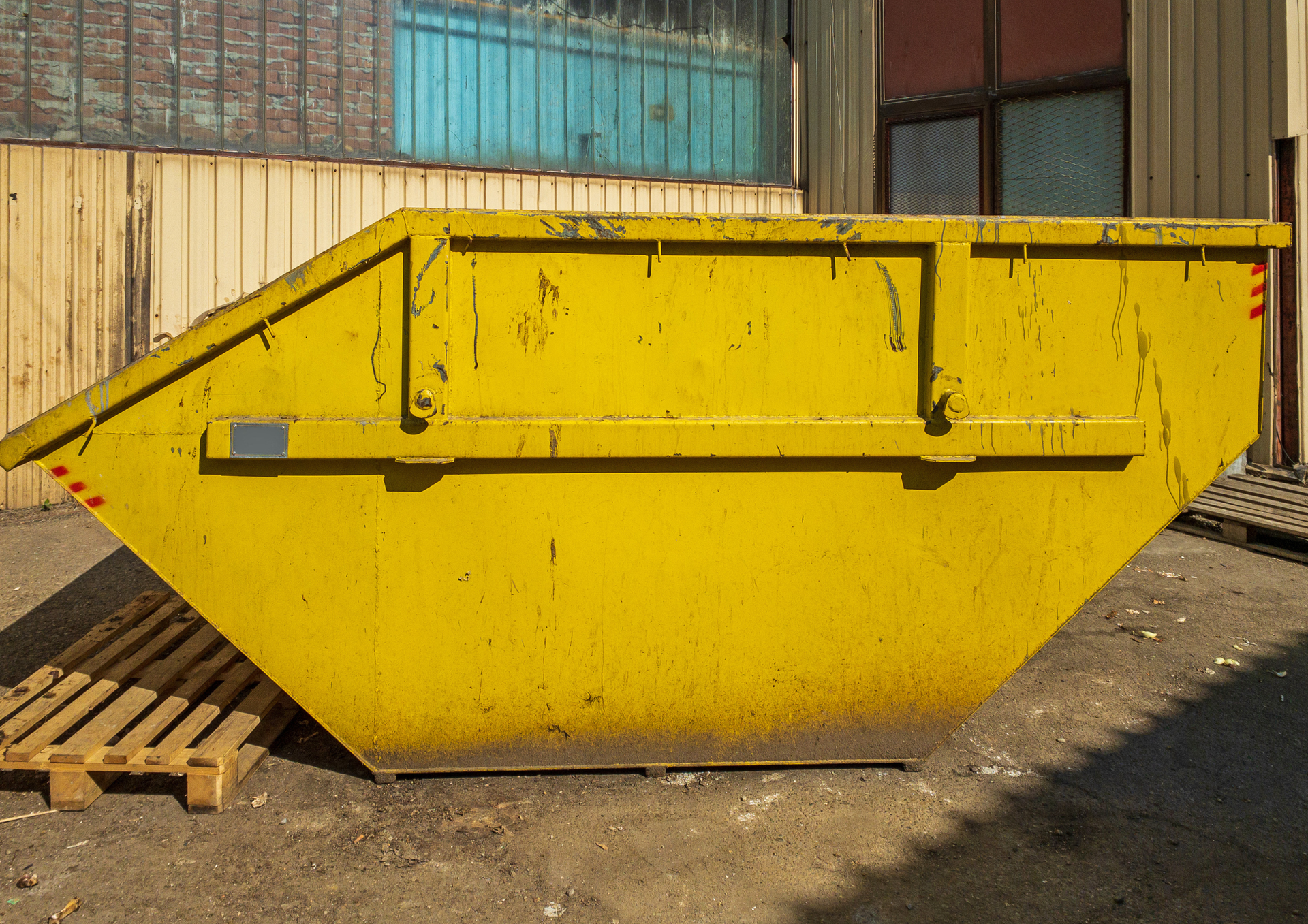


What to Consider When Arranging Skip Hire for Property Projects
Property projects can produce considerably more waste than initially expected. A relatively straightforward refurbishment, garden clearance or property maintenance programme can quickly generate old fixtures, broken materials, packaging, timber, soil and other unwanted items. Planning how these materials will be managed is therefore an important part of preparing for the work.
For homeowners, landlords, surveyors, local authorities and those responsible for residential or commercial properties, skip hire can provide a practical way to keep unwanted materials contained while work progresses. However, arranging a container involves more than simply deciding that one is required. Its size, position, permitted contents and collection arrangements should all be considered before work begins.
Understanding the expected amount of waste before arranging collection can also reduce unnecessary disruption. A container that is too small may need replacing sooner than anticipated, while choosing considerably more capacity than required may not represent the most practical use of available space.
Assess the Project and Expected Amount of Waste
The first consideration should be the nature and scale of the property project. Clearing a small room is very different from refurbishing several rooms, removing an old kitchen or carrying out extensive work across a commercial property. Thinking about the expected waste before the project begins provides a better basis for deciding what arrangements are appropriate.
Start by identifying the materials that are likely to be removed. A domestic renovation might produce old cupboards, flooring, plasterboard, packaging and broken fittings. Garden projects can generate branches, vegetation, soil and old landscaping materials, while commercial refurbishment may involve furniture, partitions and building materials.
The volume of waste should also be considered rather than simply the number of individual items. Bulky objects can occupy substantial space even when relatively few items are being discarded. Breaking down suitable materials before loading may help make more efficient use of the available capacity, provided this can be done safely.
For smaller projects, mini skip hire may be worth considering when the expected volume of suitable waste is limited. A smaller container can be particularly practical where space is restricted or the project involves a modest household clearance, garden tidy-up or small renovation. The appropriate option will still depend on the type and quantity of material being removed.
It is equally important not to underestimate the project. Property work can reveal additional unwanted material once cupboards, flooring, fixtures or landscaping features are removed. Allowing some reasonable capacity for unexpected waste can prevent the container becoming full before the project has been completed.
Consider the duration of the work as well. A short clearance may generate most of its waste within a day, whereas refurbishment work taking place over several weeks can produce materials gradually. Knowing the approximate project schedule makes it easier to decide when delivery should take place and when collection is likely to be required.
Waste should not extend beyond the permitted fill level of the container. Overfilling can create practical and safety concerns during collection and transportation. Planning sufficient capacity from the outset is therefore preferable to attempting to place more material into a container than it is designed to hold.
The type of waste matters just as much as quantity. Different materials may be subject to different handling requirements, and certain items may not be suitable for placing in a standard container. Before work begins, it is sensible to establish which materials are expected and check how they should be managed.
Those responsible for larger properties may also need to coordinate waste arrangements with contractors or maintenance teams. Establishing who is responsible for loading, monitoring capacity and arranging collection can help prevent confusion during the project.
This preparation is particularly useful for landlords managing property improvements between tenancies, surveyors overseeing works and local authorities coordinating maintenance across multiple sites. Having a clear waste plan can support a more organised working environment from beginning to end.
Consider Access, Positioning and Site Practicalities
Once the likely volume has been considered, attention should turn to where the container will be placed. Access is one of the most important practical factors because a delivery vehicle needs sufficient room to approach the site, position the container and later return for collection.
A private driveway, yard or suitable area within the property boundary may provide a straightforward location. However, not every property has sufficient private space. Terraced properties, flats, commercial units and buildings in densely developed areas can require additional planning.
Newcastle includes busy streets, residential neighbourhoods, commercial districts and properties where parking space may be limited. The same challenges occur in towns and cities throughout the UK. Considering the surrounding environment before arranging delivery helps identify potential access difficulties early.
When searching for skip hire near me, it can be useful to provide accurate details about the property rather than focusing solely on geographical proximity. Information about road width, gates, parked vehicles, overhead restrictions, available driveway space and the intended container position can help determine whether delivery is practical.
Measurements can be particularly helpful when space is limited. Rather than estimating the size of a driveway or access point, measure the available area and consider whether vehicles will still need to enter or leave the property during the project.
If the container needs to be positioned on a public road or another location outside private land, additional requirements may apply. Permission or a permit may be necessary depending on the location and local arrangements. Requirements can differ between authorities, so these details should be checked before confirming delivery.
Think about how workers will reach the container as well. Ideally, the position should provide practical access from the area where waste is being generated without creating unnecessary obstacles around entrances, pedestrian routes or working areas.
Commercial properties require similar planning. Businesses may need to maintain customer access, delivery routes, staff parking or emergency access while building work is taking place. Positioning should therefore form part of the wider site plan rather than being treated as an afterthought.
For residential properties, neighbours may also be affected if delivery requires temporary access or if the container is positioned close to shared areas. Sensible planning and clear communication can help minimise inconvenience.
Ground conditions deserve consideration too. The intended position should be reasonably stable and suitable for the weight involved. Property owners should think about surfaces, underground features and anything else that could affect placement.
Another practical point is timing. Delivery should ideally coincide with the stage when waste begins to accumulate. Having the container arrive considerably earlier than necessary can occupy valuable space, while arranging it too late may result in unwanted materials building up around the property.
Compare Size, Costs and Collection Arrangements
Container size is one of the main decisions involved in arranging waste removal. Different projects generate different volumes, so choosing solely on price without considering capacity can lead to complications.
People sometimes use the term skip bin hire when researching waste containers, although terminology can vary between locations and providers. Regardless of the wording used, the important consideration is whether the selected capacity is appropriate for the materials and project involved.
Before choosing a size, estimate the amount of waste as realistically as possible. Consider the dimensions of bulky objects and whether suitable materials can be broken down. If contractors are involved, they may also be able to provide an indication of the likely volume based on the planned work.
Price should be considered alongside capacity, duration, location and collection arrangements. Skip hire prices can vary according to several practical factors rather than being determined by container size alone. Comparing what is included can therefore provide a clearer understanding than looking only at an advertised starting figure.
Ask how long the container can remain at the property and whether collection needs to be scheduled in advance. Project delays can occur, so knowing how changes are handled can be useful when planning refurbishment or maintenance work.
It is also worth establishing whether collection can be arranged earlier if the container becomes full ahead of schedule. For larger projects, there may be circumstances where one container is collected and another delivered so that work can continue.
When considering local skip hire, property owners and managers may benefit from explaining the complete project requirements from the beginning. Providing the postcode, proposed position, expected materials, approximate quantity and preferred dates gives the provider more information to determine suitable arrangements.
Avoid choosing capacity based purely on the smallest available option. While controlling expenditure is understandably important, selecting insufficient capacity may create additional arrangements later. Equally, unnecessarily large containers can take up more site space than required.
The objective should be to find a sensible balance between capacity, site conditions and expected waste volume.
For larger refurbishment programmes, phased waste management may sometimes be appropriate. Rather than attempting to accommodate everything at once, collection can potentially be coordinated with different stages of work. This approach may be particularly useful where storage space is limited.
Clear collection arrangements are equally important at the end of the project. Knowing when the container is expected to leave allows property owners, contractors and site managers to plan the final stages of work and restore access to the occupied space.
Manage Waste Carefully Throughout the Property Project
Good planning should continue after delivery. How waste is placed into the container can affect available capacity, site organisation and the ease with which the project progresses.
Where practical and safe, bulky materials can be arranged carefully rather than simply thrown in without consideration. Large flat items may take up less room when positioned sensibly, while smaller materials can sometimes fill spaces between larger pieces.
The container should not become a general dumping point for materials that have not been checked. Everyone working on the project should understand what can and cannot be placed inside. This is particularly important on sites involving several contractors or different teams.
A designated waste area can help keep the property organised. Instead of allowing unwanted materials to accumulate throughout rooms, gardens, corridors or working areas, they can be transferred regularly to the appropriate container.
Keeping access routes clear is especially important on commercial properties, shared residential buildings and sites that remain occupied during work. Waste management should support the project rather than introduce unnecessary obstructions.
Weather can also influence how a site is managed. Lightweight materials should be handled carefully so they do not become scattered around the property or surrounding area. The container should be used responsibly throughout the project rather than only being considered at the point of collection.
For landlords and property managers, monitoring waste can also provide an indication of how the project is progressing. If the container reaches capacity much sooner than expected, it may suggest that the original volume estimate needs to be reviewed.
Surveyors and those overseeing contracted work may wish to include waste arrangements within their wider site checks. This can help ensure that materials are being handled in accordance with the agreed project plan.
Local authorities responsible for public buildings, housing or maintenance programmes may have additional internal procedures for waste management. These should be considered alongside any site-specific requirements.
Homeowners carrying out their own projects can benefit from the same organised approach. Even a modest renovation can become difficult to manage when old materials are allowed to accumulate without a clear disposal plan.
Using skip hire as part of a planned approach to property waste can help maintain a tidier working environment while allowing unwanted materials to be consolidated in one designated place.
Before collection, check the area surrounding the container and make sure the delivery vehicle will be able to regain access. Vehicles, building materials, equipment or temporary barriers should not prevent collection where they can reasonably be moved beforehand.
It is also sensible to check the fill level and ensure nothing is protruding in a way that could interfere with removal. Taking a few minutes to inspect the area before collection can help avoid unnecessary complications.
Waste management is an important consideration for property projects of almost every scale. Understanding the expected quantity and type of material, selecting appropriate capacity, checking access and planning delivery and collection can make the process considerably more organised.
The most suitable arrangements will depend on the individual property. A small residential clearance will have different requirements from a commercial refurbishment, while a Newcastle terraced property may present different access considerations from a building with a large private yard.
For homeowners, landlords, surveyors and local authorities, planning skip hire alongside the wider project schedule provides an opportunity to identify practical issues before work starts. Taking time to consider capacity, placement, permitted materials and collection arrangements can support efficient waste management throughout the project.
Skip Hire Newcastle provides clear and practical information for people planning waste removal for residential and commercial property projects. Our website is designed to help users understand the considerations involved before arranging a container, from estimating waste volumes and choosing suitable capacity to thinking about access, positioning and collection.
Check out our latest X update on what to consider when arranging
skip hire for property projects!
You might also like