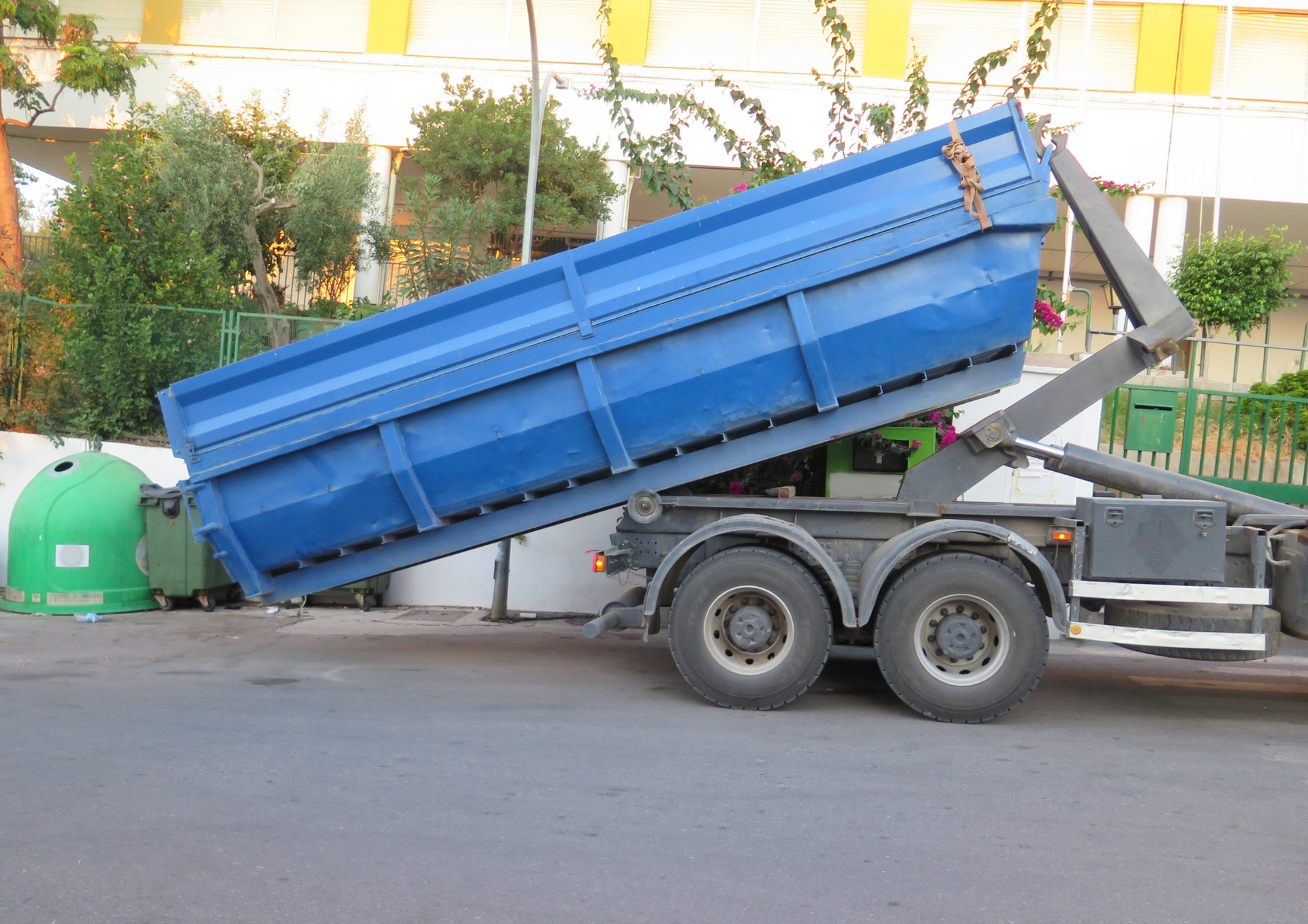


Same Day Skip Hire for Quick, Convenient and Simple Waste Removal
Managing waste efficiently can make a noticeable difference to the progress of a property clearance, renovation, landscaping project or commercial development. Rubbish that remains on site for too long can occupy valuable working space, make materials harder to organise and create additional work when the project is nearing completion. Arranging same day skip hire provides a practical way to deal with unwanted materials promptly rather than allowing them to accumulate.
Fast access to a suitable skip can be particularly helpful when the amount of waste is greater than originally expected. A straightforward decorating job may uncover old fixtures and fittings that need removing, while garden work can quickly produce branches, soil and other bulky materials. Commercial premises can also generate considerable quantities of unwanted materials during refurbishments, office clearances and maintenance projects.
Homeowners, landlords, surveyors and local authorities can all benefit from planning waste removal around the requirements of the work being undertaken. The same applies to residential and commercial properties where available space, access and project schedules may influence the most practical disposal arrangements.
Prompt service should not mean overlooking careful planning. Selecting an appropriate skip, preparing the delivery area and understanding what materials need to be removed can help make the process considerably smoother. Combining convenient delivery with sensible preparation provides a reliable approach to managing waste across projects of different sizes.
When Quick Skip Delivery Can Make a Difference
Fast delivery can be valuable when waste needs to be managed without interrupting the progress of a project. Understanding the situations where prompt availability is most useful can help customers decide when to arrange a skip and how to prepare for its arrival.
Home Clearances and Decluttering
- Moving home, clearing a garage or emptying a loft can produce more unwanted items than expected.
- Having a skip available allows rubbish to be removed as rooms and storage spaces are cleared.
- Keeping unwanted materials together can reduce clutter around entrances, driveways and working areas.
- Early planning makes it easier to separate items that can be reused or recycled before disposal.
Renovation and Improvement Work
- Kitchen and bathroom projects can generate old units, flooring, packaging and general renovation debris.
- Removing waste regularly helps tradespeople maintain accessible working areas.
- A suitable skip can provide one central location for permitted materials throughout the project.
- Customers considering same day skip hire may find it useful when the work is planned in advance and immediate delivery is not essential.
Gardens and Outdoor Areas
- Landscaping, pruning, fencing and general garden maintenance can produce bulky waste quickly.
- Keeping waste contained can make paths, lawns and driveways easier to access while work continues.
- Estimating the expected volume before starting helps determine an appropriate skip capacity.
- Garden projects may benefit from arranging removal around the stages of the work rather than waiting until everything is complete.
Commercial and Managed Properties
- Office refurbishments, property maintenance and premises clearances can generate substantial volumes of waste.
- Planned disposal arrangements help reduce disruption to staff, contractors and visitors.
- Suitable placement is particularly important where parking areas or access routes are shared.
- Surveyors, landlords and local authorities can incorporate waste arrangements into the wider project schedule to improve organisation.
How Prompt Waste Removal Supports an Efficient Project
Convenience is one of the main reasons people look for fast waste removal, but the benefits extend beyond simply receiving a skip quickly. A well-organised disposal arrangement can support the wider project by reducing clutter, improving access and making it easier to monitor how much waste is being produced.
During a household renovation, for example, waste can begin accumulating from the first stage of stripping out a room. Old cupboards, flooring, timber, packaging and other materials can occupy considerable space if there is nowhere suitable to place them. Having a designated container available gives householders and contractors a clear location for permitted waste and can make the property easier to manage while work continues.
This approach can be equally useful for landlords preparing properties between tenancies. Furniture, damaged fittings, packaging and general clearance materials may all need attention before decorating or maintenance begins. Coordinating disposal with the work programme can help prevent one task from delaying another.
Commercial properties have similar requirements on a larger scale. An office refurbishment or shop alteration may involve several contractors working simultaneously. Keeping discarded materials contained helps preserve access to working areas and can reduce the need to move the same rubbish repeatedly before it is eventually removed.
Customers searching for same day skip hire near me are often trying to solve an immediate practical problem, but availability should still be considered alongside skip capacity, access requirements and the type of material being removed. A prompt booking is most useful when the container itself is appropriate for the job.
Site preparation can also improve efficiency. Before delivery, customers should consider where the skip will be positioned and whether the delivery vehicle has sufficient access. Gates, parked vehicles, overhanging branches and other obstacles may need attention beforehand. Where a skip cannot be placed entirely on private property, additional requirements may apply, so these should be discussed before booking.
It is also helpful to estimate waste quantities realistically. Choosing a container that is significantly smaller than required may mean arranging another collection and delivery, while an unnecessarily large option can occupy more space than the project needs. Thinking about the scale of the work, the materials involved and the available placement area can lead to a more practical choice.
Prompt delivery therefore works best as part of an organised waste management plan. Even when a project begins unexpectedly, spending a little time assessing the requirements can make the overall process more convenient and help avoid preventable complications.
Choosing the Right Skip for the Waste You Need to Remove
Selecting the appropriate skip is an important part of arranging same day skip hire. Capacity, waste type and available space should all be considered before booking so that the chosen option supports the project effectively from delivery through to collection.
Small Household Projects
- Decluttering, decorating and smaller garden jobs may only generate modest amounts of waste.
- Compact skips can be practical where driveway or property space is limited.
- Customers should consider the full project rather than estimating waste from only the first stage.
- Breaking down suitable bulky items can help make more efficient use of the available capacity.
Renovations and Building Projects
- Refurbishments can produce timber, old fittings, packaging and various building materials.
- Larger projects generally require more capacity than routine household clearances.
- Waste should be assessed before work begins so that the container matches the expected volume.
- Certain materials may require separate arrangements, making it important to explain the waste type when booking.
Commercial and Property Management Work
- Office clearances, retail refurbishments and managed property projects may generate waste over several stages.
- The selected capacity should reflect both the amount of material and the available space at the premises.
- Positioning should allow normal property access to continue wherever possible.
- Coordinating delivery with contractors can help prevent unnecessary obstruction or disruption.
Access and Placement
- Driveways and private land can provide convenient placement where sufficient space is available.
- Delivery vehicles need suitable access for placing and later collecting the container.
- Customers should identify obstacles or restricted access before confirming arrangements.
- Discussing site conditions in advance helps the provider determine whether the proposed location is practical.
Planning the Hire Period
- Consider how quickly the waste is likely to be generated and when the container will be ready for removal.
- A skip delivered too early may occupy space unnecessarily, while late delivery can interrupt work.
- Coordinating delivery with the start of clearance or renovation activities can improve efficiency.
- Collection should be planned around realistic project progress rather than an overly optimistic completion date.
Planning a Smooth Booking, Delivery and Collection
A convenient waste removal experience depends on more than delivery speed. Clear communication between the customer and provider helps establish what is required and allows practical arrangements to be made before a vehicle arrives.
The booking stage is a useful opportunity to provide accurate information about the project. Customers should explain the type of work taking place, the approximate quantity of waste and where they would like the skip positioned. These details can help identify a suitable size and highlight potential access considerations.
Timing also deserves attention. If contractors are beginning work early in the day, having waste arrangements organised beforehand can prevent materials from being temporarily stored in unsuitable areas. For residential properties, customers may wish to coordinate delivery around driveway access, neighbouring properties and normal household routines.
A skip hire same day delivery arrangement can be particularly useful when a project changes unexpectedly and additional disposal capacity is needed quickly. Customers should nevertheless confirm availability and provide accurate site information so that the delivery can be planned appropriately.
Once the skip is in position, organised loading can help make effective use of the available space. Large items should be handled sensibly, and customers should avoid placing materials in the container unless they are permitted. If there is uncertainty about a particular waste type, asking before loading it can prevent difficulties when collection is due.
The container should also be loaded responsibly rather than above its intended level. Overloading can create practical problems during transportation and may prevent collection until excess material has been removed. Monitoring the amount being placed inside throughout the project is easier than dealing with an overloaded container at the end.
For commercial sites, it can be useful to ensure contractors and employees understand which container should be used and what materials are acceptable. This is especially important where several types of waste are being managed simultaneously.
Collection is the final stage of the process and should be considered from the beginning rather than treated as an afterthought. Customers can contact the provider when the skip is ready or arrange removal according to the agreed schedule. Keeping the access route clear on collection day helps the vehicle reach the container without unnecessary difficulty.
Good planning also allows customers to respond when project schedules change. Renovations may take longer than expected, while clearances can sometimes finish sooner. Communicating changes promptly gives the provider an opportunity to discuss suitable collection arrangements.
By considering booking information, placement, loading and collection as connected parts of the same process, customers can create a more straightforward experience. This approach is relevant whether the skip is serving a small domestic clearance or a larger commercial project.
Skip Hire Newcastle provides practical waste removal solutions for customers undertaking domestic, commercial and property-related projects across Newcastle and the surrounding area. We understand that requirements can vary considerably, which is why our approach focuses on clear communication, appropriate skip selection and dependable arrangements from booking through to collection.
Whether you are a homeowner completing a renovation, a landlord clearing a property, a surveyor coordinating works or an organisation managing larger premises, we aim to make arranging a same day skip straightforward. By providing accurate details about the waste, available space and required timescale, customers can receive guidance on an option suited to their project.
Our focus is on making waste management easier to organise without unnecessary complexity. From discussing access and placement to arranging collection once the work is complete, we provide a practical local service designed around the requirements of each project.
Check out our latest X update on how
same day skip hire can provide quick, convenient and simple waste removal for a range of projects.
You might also like