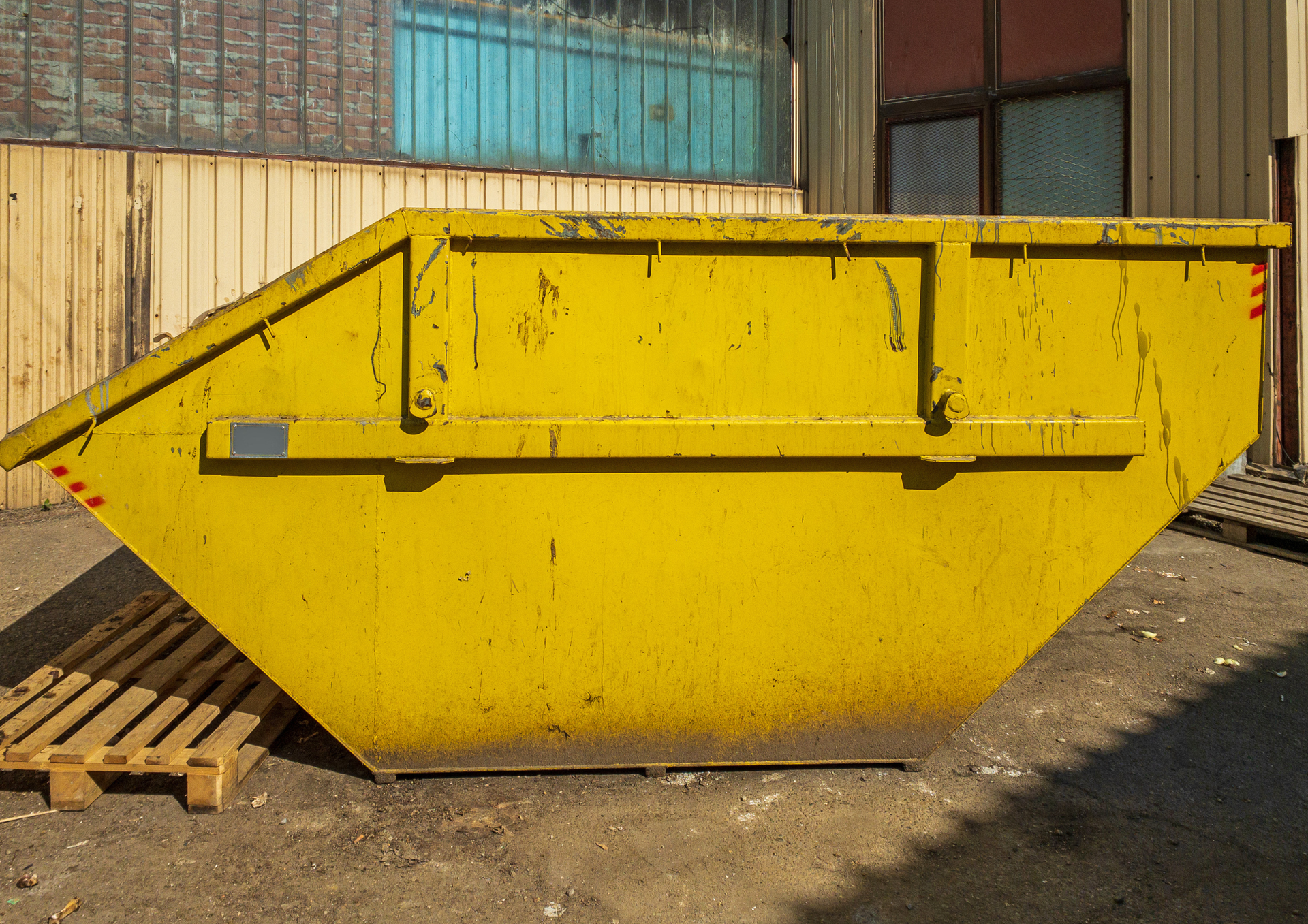


Making Property Clearances Easier When You Hire Skip Services Today
Property clearances can range from removing unwanted belongings from a single room to emptying an entire residential or commercial building. Without a clear waste management plan, furniture, old fittings, packaging, garden materials and general rubbish can quickly occupy valuable working space. Choosing to hire skip equipment gives suitable waste a designated place while the clearance progresses, helping to keep the property more organised.
Homeowners may need to clear rooms before decorating, renovating, selling or moving home. Landlords often face similar requirements between tenancies, particularly where furniture or belongings have been left behind. Surveyors and local authorities may be involved in coordinating larger maintenance programmes, while commercial properties can require carefully planned clearances that minimise disruption to normal activities.
Properties throughout Newcastle include terraced homes, larger residential buildings, offices, retail premises and other commercial spaces. Their access arrangements, available outdoor areas and waste volumes can differ considerably. Similar variations are found throughout the UK, which is why planning should reflect the individual property rather than relying on a standard approach.
Assessing the work before it begins makes it easier to estimate capacity, prepare access and decide how materials will move through the property. This preparation can reduce repeated handling, prevent unnecessary piles of rubbish and provide a more structured route from the beginning of the clearance through to final removal.
Planning a Property Clearance Before Work Begins
Preparation can make a substantial difference to the efficiency of a property clearance. Customers searching for skip hire near me should consider the complete scale of the project, rather than estimating requirements from only the first room or area being cleared. Identifying waste types, access conditions and available placement space beforehand provides a stronger foundation for an organised project.
Assess Every Area
- Walk through bedrooms, living spaces, kitchens, storage rooms and external areas before work begins.
- Include garages, lofts, sheds and other spaces that may contain accumulated belongings.
- Identify bulky furniture and fixtures that are likely to occupy substantial capacity.
- For commercial properties, include offices, stock rooms, storage spaces and communal areas in the assessment.
Separate What Is Staying
- Identify belongings, furniture and equipment that will remain at the property.
- Keep reusable or recyclable items separate where appropriate.
- Clearly distinguish materials intended for removal to prevent useful items being discarded accidentally.
- Check whether particular materials require different disposal arrangements.
Prepare Access
- Decide where waste will leave the property and keep that route clear.
- Consider doorways, hallways, stairs, gates and external paths.
- Identify a suitable location for delivery without unnecessarily blocking entrances or parking areas.
- Check whether nearby vehicles or other obstacles could affect access.
Organise the Clearance
- Decide which rooms or areas will be cleared first.
- Where several people are involved, establish how materials will be moved through the building.
- Avoid creating temporary piles in important access routes.
- Plan the movement of heavier objects before smaller items begin accumulating around them.
A methodical approach can make the scale of the job much easier to understand. It also allows customers to organise equipment and working arrangements before large quantities of unwanted material begin moving through the property.
Choosing a Practical Waste Solution for Different Properties
Every property clearance presents different requirements, which is why the most suitable skip hire arrangement should reflect the building, project and expected waste volume. A small residential clearance can differ substantially from emptying a large house, office or retail property.
Domestic projects often involve furniture, old carpets, packaging, household belongings and general unwanted items. Where renovation is taking place at the same time, old fittings and other materials can add considerably to the total volume. Assessing everything expected during the project provides a more realistic estimate than considering household rubbish alone.
Landlords preparing accommodation between occupants may encounter a mixture of unwanted belongings and materials generated during maintenance. If several rooms require work, organising waste removal before contractors begin can prevent rubbish from interfering with decorating, repairs or other tasks.
Surveyors coordinating property work may need to consider how a clearance fits within a broader maintenance programme. Certain rooms might need to be emptied before inspection or repair work can continue, meaning the timing of waste removal becomes part of the overall project schedule.
Local authorities responsible for buildings or other properties can face similar considerations. Clearances may need to be coordinated with contractors, maintenance teams and building users, particularly where only part of a property is being emptied.
Commercial premises often require additional planning. An office clearance may involve desks, chairs, filing equipment and shelving, while retail properties can contain displays, fittings and packaging. Where parts of the premises remain operational, waste movement should be planned to avoid unnecessary disruption.
The available outdoor space is another important consideration. Some residential properties have private driveways or larger areas suitable for positioning equipment, while others have restricted access. Commercial premises may have loading areas, staff parking or customer entrances that need to remain accessible.
Duration should also be considered realistically. A small clearance may be completed quickly, whereas a whole-property project can take considerably longer. Understanding the likely timetable makes it easier to coordinate delivery and collection with the actual progress of the work.
Taking these factors into account helps customers choose a practical solution based on their individual circumstances rather than simply selecting equipment by appearance or capacity alone.
Matching Capacity to the Amount of Waste Produced
Selecting appropriate capacity is an important part of managing a clearance efficiently. Understanding skip hire prices in relation to the amount of waste expected can help customers consider overall value rather than automatically selecting the smallest or largest available option.
Individual Rooms and Small Clearances
- Bedroom, loft or garage clearances may produce relatively modest quantities of waste.
- Smaller projects should still account for bulky objects such as furniture and shelving.
- Assessing everything before loading begins provides a more realistic estimate.
- Limited outdoor space may also influence which capacity is practical.
Whole-Property Clearances
- Emptying an entire house can generate considerably more material than expected.
- Furniture, flooring, stored belongings and household items can quickly occupy available capacity.
- Assessing each room separately can make the overall quantity easier to estimate.
- Customers should consider whether additional waste will be generated by maintenance or renovation afterwards.
Renovation Projects
- Kitchens and bathrooms can produce cabinets, fittings, flooring and other materials within a short period.
- Larger renovations may generate waste continuously across several stages.
- Considering the complete project helps prevent capacity being based solely on initial demolition.
- Materials should be checked for suitability before loading begins.
Commercial Clearances
- Offices can contain desks, chairs, shelving, storage materials and general unwanted items.
- Retail properties may produce fixtures, displays, packaging and interior materials.
- Larger premises may require disposal arrangements to be coordinated with several contractors.
- Scheduling work carefully can help maintain access for staff and other building users.
Capacity should ultimately reflect the actual project. Realistic estimation helps prevent equipment from filling unexpectedly while also reducing the likelihood of paying for substantial space that remains unused.
Keeping the Clearance Organised from Start to Finish
Smaller projects can sometimes benefit from mini skip hire, particularly where waste quantities are limited and available positioning space is restricted. Whatever capacity is selected, however, maintaining organisation throughout the clearance is just as important as making the initial choice.
One effective approach is to complete the property systematically. Clearing one room or area before progressing to another provides a visible sense of progress and reduces the likelihood of unwanted materials being moved repeatedly around the building.
Loading should also be considered carefully. Bulky items can occupy substantial room when placed inefficiently. Where appropriate, suitable furniture or fittings may be dismantled so that the available capacity can be used more effectively. Smaller items can then be arranged around larger objects rather than leaving unnecessary gaps.
Clear routes between the property and the disposal area should be maintained throughout the project. Hallways, entrances and external paths can quickly become obstructed when several people are moving materials simultaneously. Taking unwanted items directly to their intended destination rather than creating temporary piles can reduce this problem.
Customers should also consider how the project will change as work progresses. During the early stages, most waste may come from clearing belongings and furniture. Later stages could produce different materials if decorating, repairs or refurbishment follow immediately afterwards.
For landlords, an organised clearance can help prepare the property for maintenance or new occupants. Surveyors may need cleared areas before further assessment can take place, while local authorities can use structured waste planning to support wider property programmes.
Commercial clearances benefit from similar organisation. If parts of a building remain operational, waste movement may need to be scheduled around employees, visitors and contractors. Clearing particular zones in sequence can help reduce interference with normal activities.
Collection should be considered before the final day of the project. Having a reasonable idea of when the equipment will no longer be required allows removal to be coordinated with completion rather than leaving it occupying valuable space unnecessarily.
Clear communication throughout the process is also valuable. If substantially more material is discovered than expected or the project timetable changes, addressing the issue early provides more opportunity to adjust arrangements without disrupting the overall clearance.
Property clearances become easier to manage when waste removal is considered from the beginning rather than after unwanted materials have already accumulated. Whether clearing a single room, an entire house or a larger commercial property, understanding what needs removing and how the work will progress provides a more organised starting point.
Choosing to hire skip equipment can give suitable materials a dedicated destination throughout the project. This reduces repeated handling and helps prevent rubbish from occupying rooms, hallways and outdoor working areas while the clearance continues.
Capacity should be considered carefully alongside the type of property, expected waste volume and available space. Choosing something too small can create difficulties before the job is finished, while excessive capacity may be unnecessary for a modest project.
Homeowners, landlords, surveyors and local authorities can all benefit from planning access, separating materials and organising the sequence of work. The same principles apply to commercial properties, where clearance activities may need to fit around contractors, employees and normal operations.
A well-planned approach creates a clearer route from initial assessment to final removal. By estimating requirements realistically and keeping the property organised throughout the work, customers can complete clearances more efficiently while preparing the building for renovation, maintenance, sale, occupation or its next intended use.
Skip Hire Newcastle provides practical waste removal support for customers managing residential and commercial property clearances. We understand that each building presents different requirements, which is why we consider the expected waste volume, available access, project duration and property layout when helping customers organise their arrangements.
Homeowners may need assistance with household clearances or renovation projects, while landlords can require dependable waste solutions when preparing accommodation between occupants. We also support the broader requirements of those coordinating maintenance and commercial projects.
Our approach focuses on straightforward communication and practical guidance from initial planning through to collection. When customers need to hire skip equipment, we aim to make choosing suitable capacity and organising delivery as simple as possible.
By understanding the circumstances of each project rather than applying the same approach to every property, we help customers create a waste removal plan that supports an efficient, organised clearance from beginning to end.
Check out our latest X update on how choosing to
hire skip services can make property clearances easier and more manageable!
You might also like