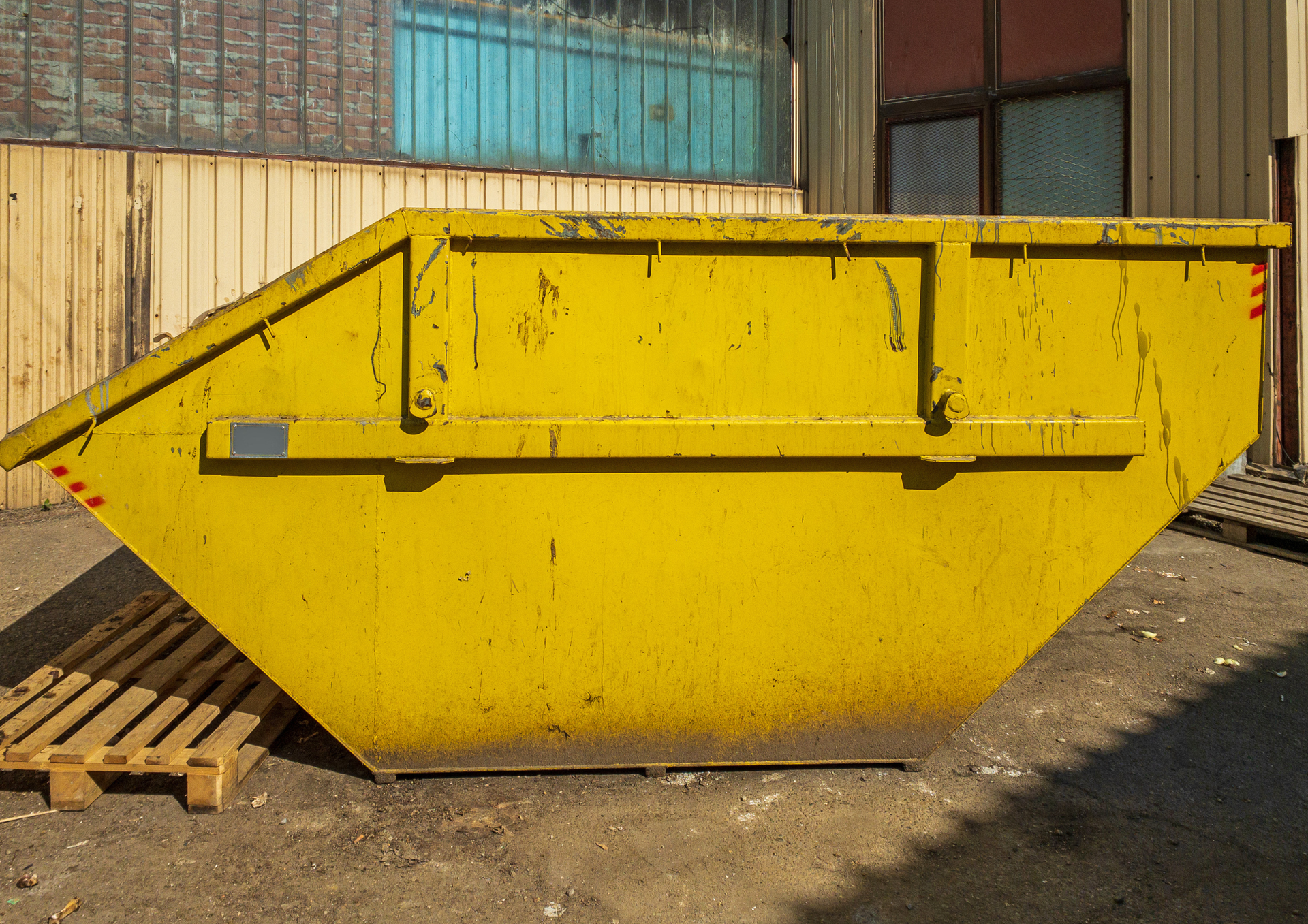


Understanding Roadside Skip Permit Rules for Waste Disposal Use
Roadside waste management projects require careful planning, particularly when containers need to be placed on public roads or highways. Whether clearing household waste, renovating a property, managing landscaping work, or overseeing a commercial project, understanding permit requirements helps avoid delays and ensures work proceeds smoothly. While regulations can vary between local authorities, there are several common principles that apply across many areas.
For homeowners, landlords, surveyors, local authorities, and property managers, understanding how permits work is an important part of organising efficient waste removal. Proper preparation helps ensure public safety, supports traffic management, and allows projects to progress without unnecessary disruption.
Many people focus primarily on selecting the correct waste container size, but the location where it will be positioned can be equally important. Containers placed entirely on private land often require different arrangements from those located on public roads. Understanding these distinctions allows projects to be organised more effectively from the outset.
Why Roadside Placement Often Requires Permission
Public roads are shared spaces used by motorists, cyclists, pedestrians, and public transport services. Any temporary structure placed on a highway can affect visibility, parking availability, traffic flow, and general accessibility. For this reason, local authorities commonly regulate roadside placement through permit systems.
Permit requirements help ensure that containers are positioned safely and appropriately. Local authorities may assess factors such as road width, traffic volumes, nearby junctions, pedestrian access routes, and visibility for road users. These considerations help minimise risks while allowing necessary waste management activities to take place.
The duration of placement may also influence permit requirements. Some authorities specify maximum periods for roadside positioning, while others allow extensions subject to approval. Understanding these timelines in advance helps avoid project interruptions and allows sufficient time for waste removal activities to be completed.
Roadside permits also help authorities maintain oversight of temporary obstructions within public areas. This allows multiple projects to be coordinated efficiently while reducing the likelihood of conflicts with roadworks, utility maintenance, public events, or other temporary restrictions.
For many property improvement projects, obtaining the correct permissions forms an important part of responsible planning. Early consideration of permit requirements often reduces delays and supports smoother project management overall.
Common Factors That Influence Permit Requirements
Before arranging roadside placement, it is helpful to understand the factors that local authorities commonly consider when assessing permit applications. Although requirements can vary between areas, several key considerations often determine whether permission is needed and what conditions may apply.
Placement Location
- Containers positioned on private driveways or private land may not require a roadside permit.
- Placement on public roads, pavements, verges, or other public spaces often requires approval.
- The exact location can influence both permit eligibility and any conditions attached to the approval.
Road Type and Traffic Conditions
- Busy roads with higher traffic volumes may be subject to stricter requirements.
- Additional conditions may apply near junctions, pedestrian crossings, bus routes, or areas with limited visibility.
- Authorities aim to minimise disruption to road users and maintain safe access.
Container Size
- Larger containers occupy more space and may have a greater impact on surrounding traffic and pedestrian movement.
- Specific positioning requirements may vary depending on the size of the container being used.
- Adequate space must be available to ensure safe placement and collection.
Duration of Placement
- The length of time the container remains on the roadside can affect permit requirements.
- Extended hire periods may require permit renewals or additional approvals.
- Careful scheduling helps minimise occupancy of public spaces and supports efficient project management.
Public Safety and Environmental Considerations
- Authorities may require appropriate lighting or reflective markings for visibility.
- Safe access routes for pedestrians and road users must be maintained.
- Drainage, visibility, and surrounding site conditions may be assessed before approval is granted.
- Additional precautions may be required where public safety could be affected.
Understanding these factors early in the planning process can help avoid delays and ensure waste management arrangements are organised efficiently.
Applying for Permits and Planning Ahead
Proper planning can make the permit application process far more straightforward. Considering permit requirements before work begins helps reduce the likelihood of delays and allows waste management arrangements to fit smoothly into the overall project schedule.
Assessing Placement Requirements
- Determine whether the container will be placed on private land or a public road.
- Check if sufficient space is available on-site before arranging delivery.
- Consider access requirements for both delivery and collection vehicles.
Preparing Permit Information
- Provide details of the proposed location.
- Specify the expected hire duration.
- Confirm the container size required for the project.
- Include the intended delivery and collection dates where applicable.
Allowing Time for Approval
- Some local authorities require advance notice before permits can be issued.
- Application processing times can vary depending on location and project circumstances.
- Early planning helps minimise the risk of delays affecting project schedules.
Integrating Waste Management into Project Planning
- Surveyors, contractors, landlords, and property managers often include permit requirements within wider project plans.
- Coordinating waste removal alongside construction, renovation, landscaping, or clearance work can improve overall efficiency.
- Advance preparation helps ensure resources are available when needed.
Using Modern Booking Options
- Many customers prefer to order a skip once waste volumes have been assessed and placement requirements confirmed.
- Others choose to skip online, allowing them to compare options and arrange services at a convenient time.
- Early booking can provide greater flexibility when planning project timelines.
Maintaining Clear Communication
- Keep all relevant parties informed about placement arrangements and project schedules.
- Confirm that proposed locations comply with local requirements.
- Regular communication helps ensure waste removal activities proceed smoothly from delivery through to collection.
By addressing permit considerations early and maintaining organised planning throughout the project, waste management arrangements can be completed more efficiently while helping to avoid unnecessary disruptions.
Maintaining Compliance Throughout the Hire Period
Obtaining approval is only one part of responsible roadside waste management. Ongoing compliance during the hire period remains equally important. Once positioned, containers should remain in their approved location unless alternative arrangements have been authorised. Relocating units without permission may create safety concerns or breach local requirements.
Users should also ensure waste materials remain contained within the designated area. Overfilling can affect stability, create hazards for passing road users, and potentially result in additional collection difficulties. Maintaining tidy loading practices helps support safe and efficient operations.
Monitoring project progress throughout the hire period allows users to identify whether additional time may be required. Where extensions are needed, early communication helps avoid situations where approved periods expire unexpectedly.
Property owners and site managers should remain aware of their responsibilities regarding access routes and surrounding areas. Keeping nearby footpaths, entrances, and roadways clear supports both public convenience and project efficiency.
In some situations, weather conditions may also influence site management considerations. Strong winds, heavy rainfall, or adverse weather can affect certain waste materials and may require additional precautions to maintain safe operating conditions.
Many projects involve various types of waste materials, and understanding how different materials should be managed contributes to smoother collection processes. Whether dealing with household clearance, renovation debris, landscaping waste, or construction materials, good organisation helps maintain compliance throughout the project lifecycle.
Some people may encounter references to skip's regulations or placement requirements when researching waste disposal guidance. Understanding the correct local requirements directly from relevant authorities remains the most reliable approach when planning any roadside placement.
At
Skip Hire Newcastle, we understand that effective waste management involves more than simply arranging collections. We provide clear guidance, practical support, and straightforward information to help customers make informed decisions throughout their projects.
Our website is designed to assist homeowners, landlords, surveyors, local authorities, and commercial clients with reliable information covering waste disposal planning, container selection, project preparation, and regulatory considerations. We focus on providing helpful advice that supports efficient project management while keeping the process simple and easy to understand.
Whether you are planning a property renovation, construction project, garden clearance, commercial refurbishment, or routine waste removal activity, we aim to provide trustworthy guidance that helps you organise waste management requirements with confidence and efficiency.
Don't Miss Out on X: Understand permit considerations before arranging
skips.
You might also like