A Guide to What You Can and Can’t Put in Your Large Skip Hire
Hiring a skip for major projects is one of the most efficient ways to manage waste, whether you’re handling a home renovation, clearing out a commercial space, or tackling a construction job. Understanding what materials can safely go inside a large skip hire service is essential for smooth disposal, cost-effectiveness, and compliance with local waste regulations.
This guide explains exactly what is allowed, what must be avoided, and how to stay on the right side of legal and environmental guidelines.
Materials You Can Safely Put in a Skip
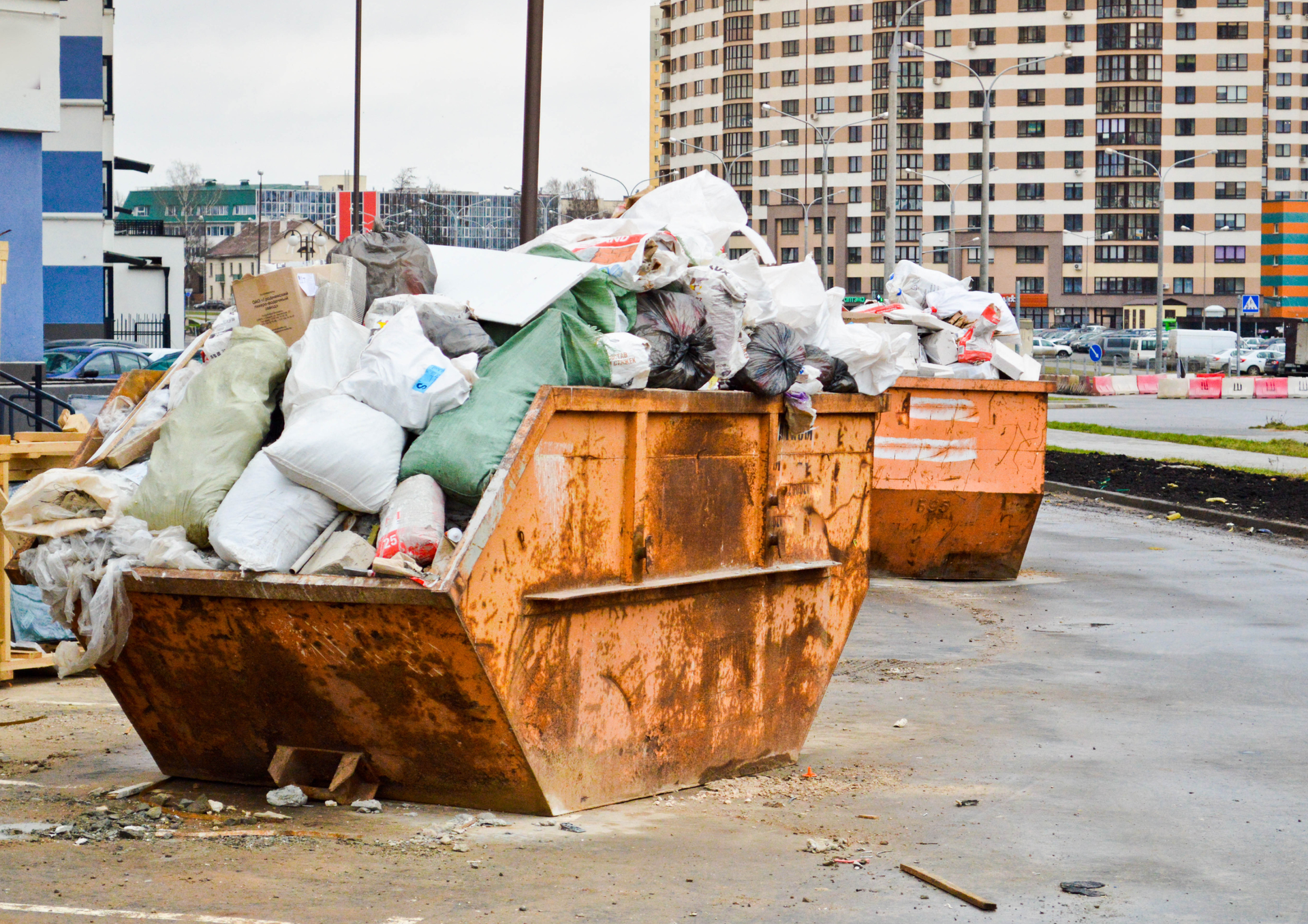
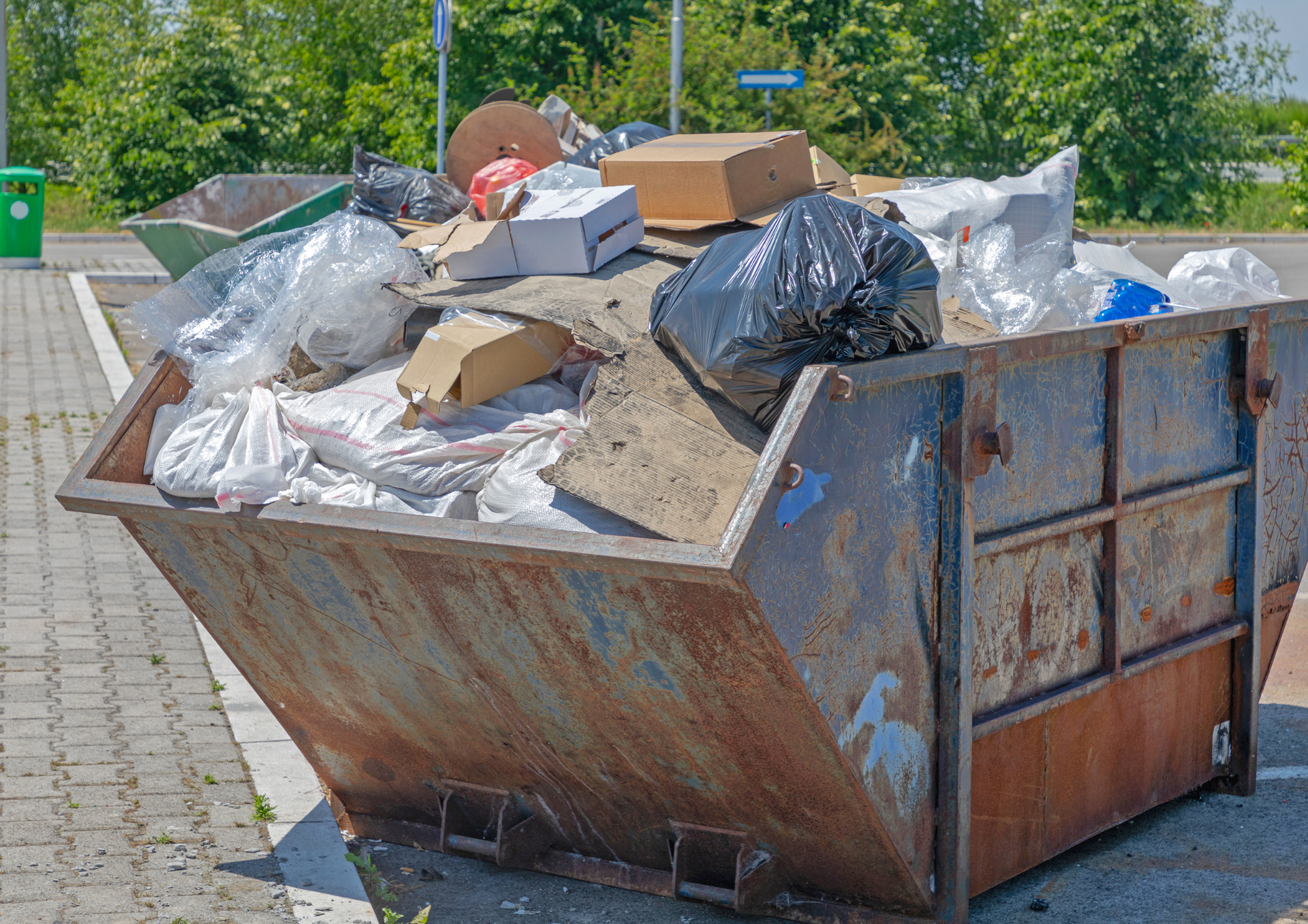
A wide range of everyday waste items can be placed into a skip without issue, making the service extremely practical for all kinds of large-scale projects. General household waste like furniture, toys, cardboard, carpet, underlay, and non-electrical goods is typically accepted. Builders often make use of skips for materials such as bricks, rubble, tiles, timber, plasterboard (where permitted), and soil. Landscapers can also dispose of grass cuttings, branches, hedge trimmings, and other non-hazardous green waste, which makes skips useful for garden redesigns or seasonal clear-outs. Businesses redeveloping office spaces can also load unwanted desks, shelving, packaging, and mixed non-hazardous waste from refurbishment work.
During this stage of the project, customers sometimes look for options like
large skip bin hire, especially when a job produces more bulky materials than expected.
Items That Are Not Allowed in a Skip
Skips are highly versatile, but some materials cannot be disposed of this way due to safety, environmental, or legal risks. The list below outlines the most common items that must be kept out and handled separately:
- Aerosols, gas bottles, and pressurised containers that can explode under heat or pressure.
- Solvents, paints, oils, chemicals, and any liquids that can leak or contaminate waste streams.
- Asbestos and medical waste, which require specialist handling and licensed disposal.
- Tyres and rubber materials, as they are processed differently from general waste.
- Electrical appliances such as fridges, freezers, televisions, microwaves, and ovens.
- Batteries, fluorescent tubes, and items containing hazardous components.
- Plasterboard in areas where mixing it with other waste is prohibited.
- Soil contaminated with oil, chemicals, or other harmful substances.
- Electronics or confidential materials from office relocations, which need secure disposal methods.
When customers require capacity for heavy or bulky materials, they may consider alternatives like big skip hire, especially during demolition or major construction work.
Why Restrictions Exist and How They Affect You
Restrictions on skip contents are not simply administrative; they exist to protect people, equipment, and the environment. Hazardous items can cause fires, chemical reactions, and contamination during transportation or sorting. For example, gas cylinders can explode under pressure, while paint and solvents can leak into soil or waterways if not managed correctly. Waste transfer stations operate with strict guidelines to separate recyclable materials from general waste, meaning that banned items can disrupt processing, incur surcharges, or result in skipped loads being rejected.
Homeowners, construction firms, and businesses seeking convenient disposal solutions often search for
large skip hire near me to ensure they choose a reliable provider that clearly communicates these rules.
Tips for Making the Most of Your Skip Hire
Making efficient use of your skip helps reduce costs, improve safety, and streamline waste removal. The points below outline simple ways to get the most value from your skip hire:
- Place flat items, such as doors or panels, at the bottom to create a stable base.
- Break down bulky furniture or materials wherever possible to maximise space.
- Keep prohibited or restricted items separate from the start to avoid delays and extra charges.
- Avoid overfilling the skip, ensuring waste does not exceed the top edge for transport safety.
- Plan ahead for major projects by comparing large skip hire prices to set a realistic budget for different waste types and volumes.
A clear understanding of what can and cannot be placed in a skip helps every project run smoothly, safely, and in line with environmental regulations. Whether you’re clearing out a home, renovating a business premises, managing a construction site, or handling a large-scale garden project,
large skip hire offers an efficient and dependable way to deal with high volumes of waste. By keeping prohibited materials separate, following basic loading guidelines, and choosing a reliable local provider, you can enjoy a straightforward, stress-free disposal process. This organised approach not only saves time but also supports responsible waste management, reducing the overall environmental impact of your project.
Skip Hire Newcastle is committed to providing dependable, practical, and responsible waste-management solutions for projects of all sizes. Our team offers clear guidance on what can go into your skip, helps you choose the right capacity, and ensures timely delivery and collection. We support construction firms, households, businesses, and landscapers with straightforward services that prioritise safety, efficiency, and compliance. Whether you need general waste removal or
large skip hire, our local knowledge and professional approach make the entire process simple and worry-free for every client.
Just out on X:
Large skip hire made easy – what goes in and what stays out!
You might also like